Showers rarely fail all at once. It starts with grout that won't come clean, a line of black mould along the silicone, or a tile that sounds different when you tap it. Caught early, most of these are a straightforward repair. Left alone, water gets behind the tiles and the only fix is to strip the shower and start again. Here's how to tell which you're dealing with.
Discoloured grout: clean and seal
If the grout is sound but stained or grey, it usually just needs a deep clean. Once it's clean and dry, sealing it helps it resist water, soap and mould for longer. This is the quickest and cheapest fix, and our grout cleaning and sealing service often makes a tired shower look almost new.
Cracked, crumbling or missing grout: regrout
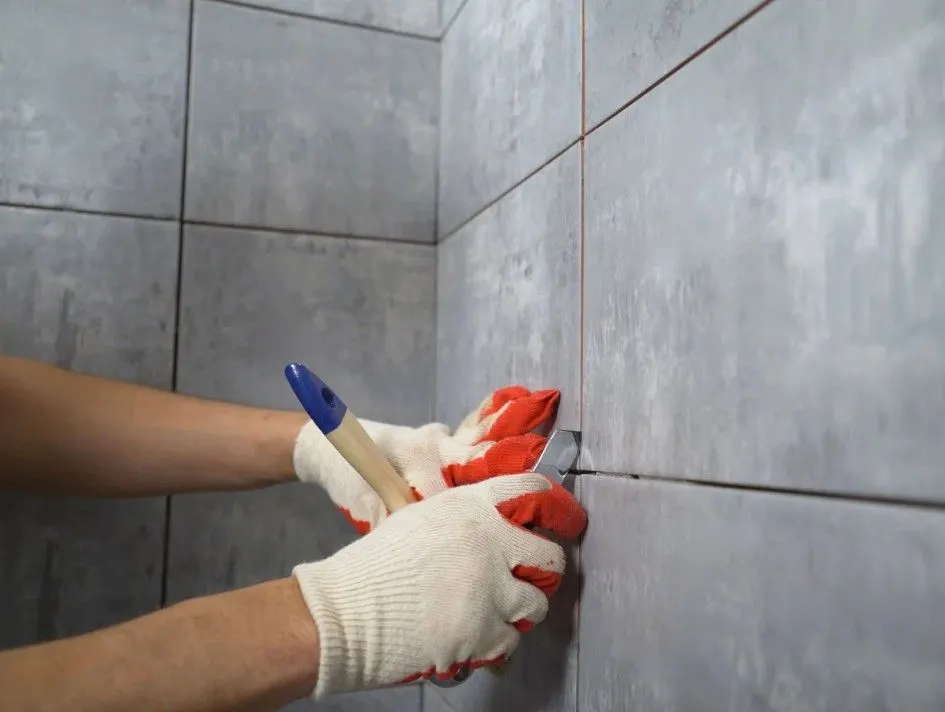
When grout is cracking, powdery or falling out, cleaning won't help, because water is getting through the joints. The old grout is raked out to a good depth and replaced. Done before water has damaged the wall behind, a regrout can add years to a shower.
Mould behind the silicone: reseal
Black mould that's under the silicone rather than on it means water has got behind the seal. Cleaning the surface won't shift it. The old silicone needs cutting out completely, the joint cleaning and drying, and a fresh bead of sanitary silicone applying. It's worth checking the grout and tiles around it at the same time.
One or two cracked tiles: repair
A single cracked or chipped tile can usually be cut out and replaced without disturbing the rest, provided a matching tile can be found. It always pays to keep a few spares from any tiling job. We carry out tile repairs across Derby and Derbyshire, including finding the closest match when the original tile is no longer made.
When it's time to retile
Some signs mean the problem is behind the tiles, not just in the joints:
- Tiles that sound hollow when tapped, move or have come away
- Several cracked tiles in the same area
- A wall that feels soft or flexes when pressed
- Water stains or damage on the ceiling or wall below or beside the shower
- A musty smell that doesn't go away after cleaning
These usually mean water has reached the wall itself, often plasterboard that was never meant to get wet. Regrouting over it only hides the problem. The shower needs stripping back, the wall replacing with tile backer board and waterproofing, and new tiles fitting.
Retiling? Choose the right tiles
If you're starting again, it's worth choosing tiles that suit a wet area. Our guide to shower tiles to avoid covers what works and what doesn't.
Not sure which you need?
Send us a few photos of the shower, including close-ups of the grout, silicone and any problem tiles, and we'll tell you honestly whether it needs a clean, a repair or a full bathroom retile. Get in touch here.