A shower is the hardest-working area in any bathroom. It's wet every day, it gets hot and steamy, and it's cleaned with products that can be tough on some materials. A tile that looks lovely in the showroom can be slippery, stain easily or simply be too heavy for the wall it's going on. Here are the choices we steer people away from, and what we'd use instead.
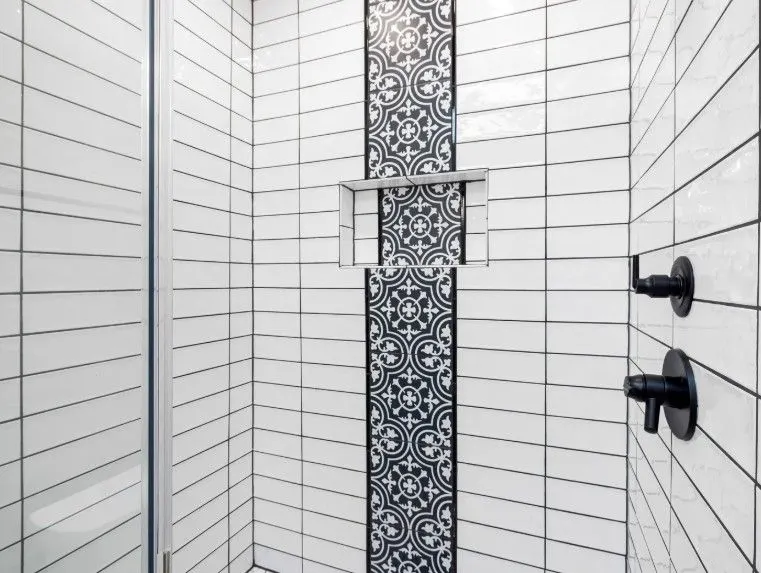
Polished or high-gloss tiles on a shower floor
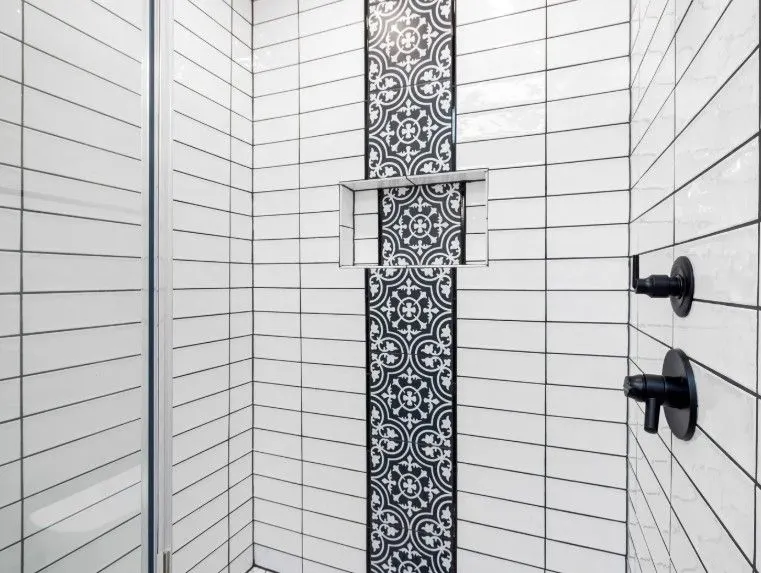
Gloss tiles are fine on walls, but on a shower floor or a walk-in shower they become slippery as soon as they're wet and soapy. For anywhere you stand, choose a matt or textured finish with a good slip rating. Small mosaics are a popular choice for shower floors because the extra grout lines give grip underfoot and the small tiles follow the fall to the drain more easily.
Natural stone that isn't sealed and maintained
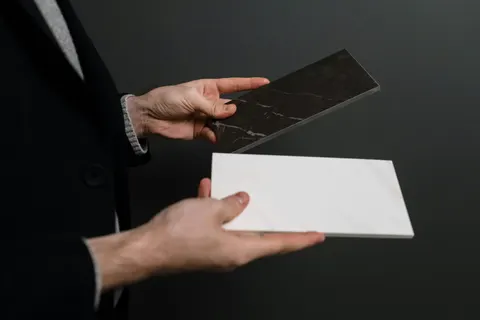
Marble, limestone and travertine look beautiful, but they're porous. Unsealed, they absorb water and soap and can stain, and acidic cleaners can etch the surface. Stone can work in a shower if it's sealed properly and resealed regularly, but if you want something low-maintenance, a stone-effect porcelain gives a similar look without the upkeep.
Heavy tiles on the wrong wall
Large-format porcelain and stone tiles are heavy, and walls have weight limits. Ordinary plasterboard and plaster can only safely carry so much tile and adhesive, and they aren't designed to stay wet. In a shower area we fit cement-based or waterproof tile backer boards, which take the weight and won't break down if water gets through. Large tiles also need a very flat wall, or the edges won't line up.
Cheap grout and the wrong joints
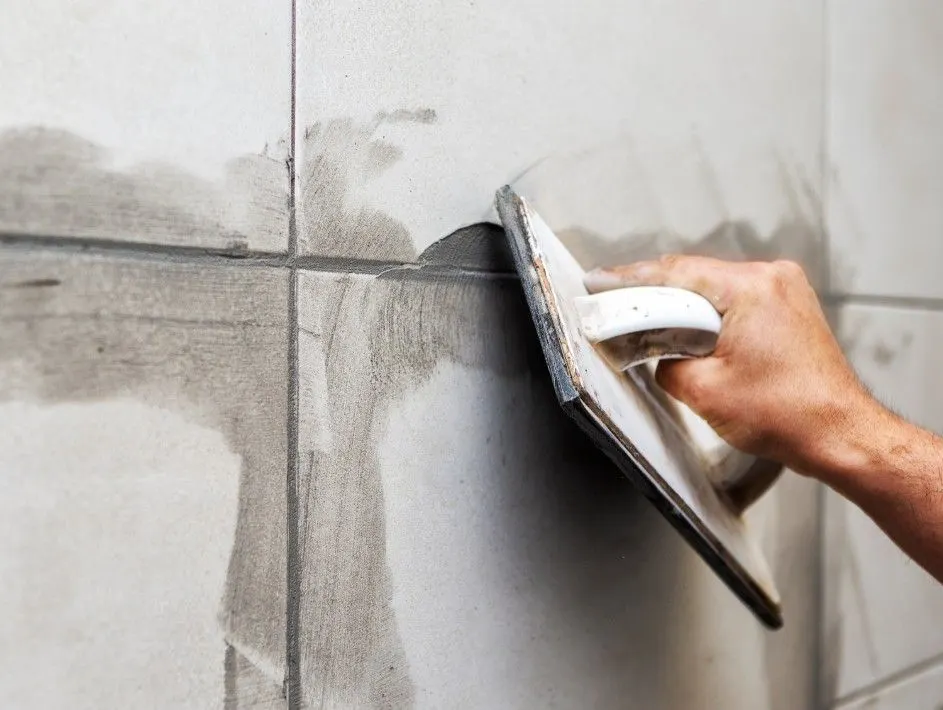
Basic grout in a heavily used shower can crack, discolour and let water through. A good water-resistant grout, or epoxy grout where you want the lowest maintenance, makes a big difference. Corners and the joint where the tiles meet the tray or bath should be finished with silicone or a proper trim, not grout, because those joints move slightly and grout will crack there.
Skipping the waterproofing
Tiles and grout aren't waterproof on their own. Behind and under a shower, especially a walk-in or wet room, the walls and floor need waterproofing under the tiles. It's the part you never see, and the part that decides whether the shower is still sound in ten years.
What works well in a shower
- Porcelain for walls and floors: dense, hard-wearing and absorbs very little water
- Glazed ceramic for walls: practical, easy to clean and good value
- Matt or textured tiles or mosaics for anywhere you stand
- Backer boards and waterproofing underneath
- Quality grout and silicone at every joint
If you're choosing tiles for a new shower in Derby or Derbyshire, have a look at our guide to types of tiles and our bathroom tiling service, or get in touch and we'll talk you through the options before you buy.